Timeless Elegance: Old Paper Vintage Tulip Backgrounds
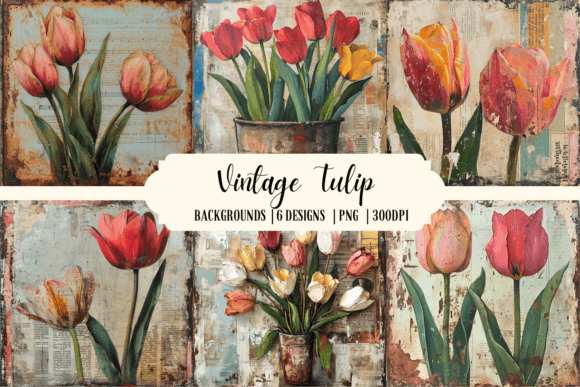
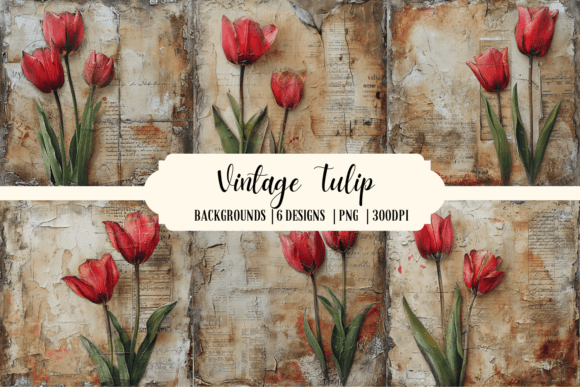
There's a particular charm to designs that feel both nostalgic and fresh, a quality that makes you pause mid-scroll. That's exactly the appeal of the Old Paper Vintage Tulip Backgrounds collection. It’s not just a set of floral patterns; it’s a versatile design asset that brings a specific, refined aesthetic to a wide range of projects. The collection features six distinct PNG files, each approximately 12x12 inches at 300 DPI, making them ready for high-quality output right out of the box. The visual style marries the delicate, hand-drawn feel of vintage botanical illustrations with the subtle texture of aged paper. The tulips aren't photorealistic; they possess a soft, painterly quality with gentle color variations that suggest they were lifted from an antique book or a cherished piece of stationery. This gives them a warm, authentic personality that feels curated rather than generic.
Where This Background Truly Blooms
The real strength of these backgrounds lies in their adaptability. They are not a one-trick pony. For small business owners and entrepreneurs, they can form the foundation of a beautiful brand identity. Imagine these as the background for product tags on artisan soaps, the wrapper for a boutique candle, or the backdrop for a bakery's menu. The vintage feel communicates care, craftsmanship, and a story—qualities that resonate deeply with consumers. For marketers and content creators, they are a secret weapon for social media graphics. A promotional post for a spring sale, a quote graphic for a wellness blog, or an announcement for a book launch gains instant sophistication and visual interest. The patterns are busy enough to be engaging but soft enough not to overwhelm text.
In the realm of publishing and editorial design, these backgrounds can elevate a project from ordinary to memorable. Use them for chapter title pages in a novel, the endpapers of a journal, or the background of a recipe card in a cookbook. Crafters and hobbyists will find them indispensable for creating personalized greeting cards, scrapbooking layouts, and decoupage projects. The high resolution ensures that details remain crisp even when printed on physical objects like mugs or t-shirts through sublimation. Essentially, any project that calls for a touch of timeless, organic elegance is a candidate for these backgrounds. They work beautifully alongside both modern and classic typography, serving as a rich canvas that enhances rather than competes.
Making the Design Work for You
Using a background like this effectively is about balance and intention. The first step is evaluating project fit. Ask yourself: does my project's message align with feelings of heritage, nature, or delicate beauty? If you're designing for a tech startup focused on minimalism, this might not be the right asset. But for a florist, a vintage clothing shop, a poet, or a wedding planner, it's a perfect match. The personality of the Old Paper Vintage Tulip Backgrounds should feel like a natural extension of the brand or project's core message.
Next, consider font pairing. This is where the background's style really influences your typographic choices. To maintain the vintage aesthetic, pair it with a classic serif font for body text—something like Garamond or Baskerville. For headlines, you could use a refined script font or a handwritten font that mimics elegant penmanship, but ensure it remains legible. For a more contemporary contrast that still feels cohesive, a clean sans serif font with generous letter spacing can create a beautiful tension between old and new. The key is to test your pairings. Place your chosen typeface over the background at various sizes and check the readability. The pattern should support the text, not make it a chore to read.
Finally, think about visual hierarchy and consistency. If you're using these backgrounds across a series—say, for a product line or a social media campaign—use them to create a recognizable look. You might use one pattern for all Instagram story backgrounds and another for your website's promotional banners. This builds a cohesive brand identity. Remember, the files come in a ZIP format, so ensure you can extract them on your device. While the colors are vibrant, be aware they may shift slightly between your screen and the final print, so a test print is always a wise step. These are more than just design assets; they are a starting point for creating something that feels personal, professional, and deeply engaging.