Gold Watercolor and Ink Backgrounds: A Designer's Guide
The Allure of Handcrafted Digital Texture
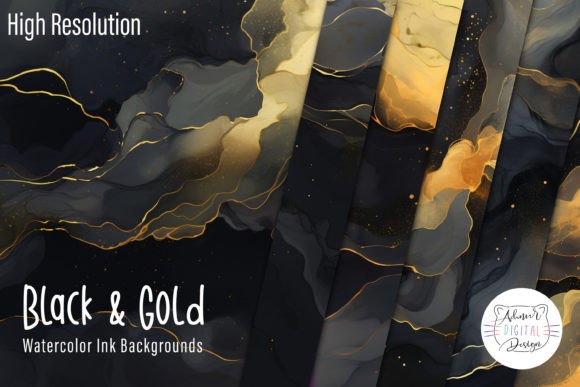
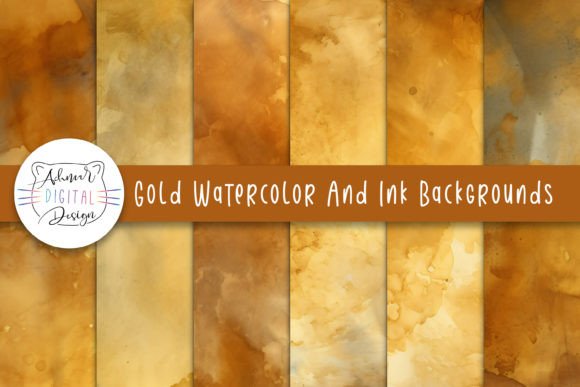
There’s a particular kind of magic in the interplay of gold and black. It’s a combination that speaks of luxury, tradition, and a touch of the dramatic. When that pairing is rendered through the fluid, unpredictable nature of watercolor and the precise, deliberate stroke of ink, the result is something truly special. This is the essence of Gold Watercolor and Ink Backgrounds—a collection designed to bring a layer of sophisticated, handcrafted texture to your digital projects. These aren't just flat colors or simple gradients; they are digital artifacts that carry the weight and warmth of physical media.
Imagine the subtle bloom of watercolor pigment, pooling and spreading with organic irregularity, now infused with the shimmering depth of metallic gold. Over this, crisp ink lines might suggest structure, calligraphy, or abstract marks. The overall personality is one of elegant contrast: the soft, diffuse washes of watercolor meet the sharp, intentional marks of ink, all unified by a luxurious metallic finish. This style walks a beautiful line between rustic charm and polished opulence, making it incredibly versatile. It feels both timeless and contemporary, capable of adding depth to a minimalist layout or enhancing the richness of a maximalist design.
Where These Backgrounds Truly Shine
Understanding the visual character of Gold Watercolor and Ink Backgrounds is the first step. The next is knowing where to deploy them for maximum impact. Their strength lies in their ability to add instant sophistication and a tactile quality to flat digital designs. For brand identity, these backgrounds can serve as a foundational element for logos, business cards, and letterheads, especially for businesses in the wedding industry, boutique retail, artisanal goods, or high-end services. They communicate care, craftsmanship, and a premium feel without saying a word.
In editorial and packaging design, they excel as chapter headers, book covers, or product box textures. A cookbook featuring artisan recipes, a journal for personal reflection, or packaging for gourmet chocolates would benefit immensely from this style. The backgrounds provide a rich canvas that makes foreground text and imagery pop. For web design and social media graphics, they are perfect for hero image banners, quote graphics, and promotional posts. They stop the scroll because they offer a visual depth that flat colors cannot. A fitness coach promoting a luxury retreat, a blogger sharing a favorite poem, or a small business announcing a sale can all use these backgrounds to elevate their message and brand perception.
They are also superb for personal creative projects. Think wedding invitations, anniversary cards, scrapbooking pages, or digital art prints. The Gold Watercolor and Ink Backgrounds provide a ready-made, professional-grade texture that saves hours of manual creation while maintaining an authentic, handmade aesthetic. The key is to let the background support, not overwhelm. It’s a design asset, not the main character—unless the project specifically calls for it to be.
Practical Integration: From Asset to Final Design
So, you’ve decided this style fits your project’s mood. Here’s how to work with these assets effectively. First, consider the font pairing. The ornate, textured nature of the background pairs best with clean, simple typefaces. A modern sans serif font for body text ensures readability against the intricate backdrop. For headlines, a simple serif font can complement the classic feel, while a very clean script font might work for short accents. Avoid overly decorative or handwritten fonts that could compete with the background’s own textural detail, making the design feel cluttered.
Next, think about visual hierarchy. Use the background on larger areas—like a full-page background in a presentation or a social media post—and place your text in areas where the texture is slightly lighter or more uniform. Often, adding a semi-transparent white or dark shape behind your text block can ensure perfect readability while still showcasing the beautiful background. This is a classic technique in web design and packaging design to maintain both beauty and function.
When evaluating the included files, pay attention to the resolution. At 300 DPI, these JPEG files are print-ready, which is crucial for any physical application like stationery, posters, or merchandise. For digital use, the high resolution means you can crop into specific areas for detail shots without losing quality, giving you multiple uses from a single asset. Always check the commercial licensing terms to ensure they cover your intended use, whether for client work, products for sale, or personal projects.
Finally, test and iterate. Place your logo, typography, and key graphics over several of the six different background variations. See which one creates the right mood and supports your brand identity best. Sometimes a more ink-dominant background works for a bold statement, while a softer watercolor wash might be better for an elegant, subdued look. The goal is to use these premium design assets to create a cohesive and engaging experience for your audience, one that feels considered, professional, and rich with artistic detail. This thoughtful application is what transforms a good design into a memorable one.